Overview of the Novice 27 Dressage Test
The Novice 27A test, released by Dressage Ireland in 2021, targets riders with at least one year of competition. It is a national test, outlined in a PDF, specifying arena size, ride time, and directed movements for trot, circles, halt, walk, and canter. The PDF details structure and scoring fully
The Novice 27 Test, also known as Novice 27A, is a national dressage test published by Dressage Ireland in 2021 and is intended for riders with at least one year of competitive experience.
The Novice 27A test, first issued by Dressage Ireland in 2021, serves as a benchmark for riders who have accumulated a minimum of one competitive year. The document, available as a PDF on the national federation’s website, outlines the test’s purpose, eligibility criteria, and overall framework while deliberately leaving out the granular movement details that are covered elsewhere. It explains how the test fits into the broader progression pathway, positioning it between the introductory Novice levels and the more advanced Intermediate tests. The PDF also highlights the importance of consistency, rhythm, and rider–horse partnership, stressing that the test is designed to assess a rider’s ability to maintain control and composure across a series of movements. Additionally, the publication notes that the test is administered under the auspices of Dressage Ireland’s national judging panel and that results contribute to a rider’s ranking within the national system. The document is structured to provide clear guidance on the test’s objectives, the scoring framework, and the expectations for both horse and rider, ensuring that participants understand the standards required for successful completion. By offering a concise yet comprehensive overview, the PDF equips riders, trainers, and judges with the information needed to prepare for and evaluate the Novice 27A test effectively. The PDF can be accessed directly from Dressage Ireland’s website, providing a comprehensive resource for riders and coaches preparing for test.
Arena Specifications and Timing Requirements
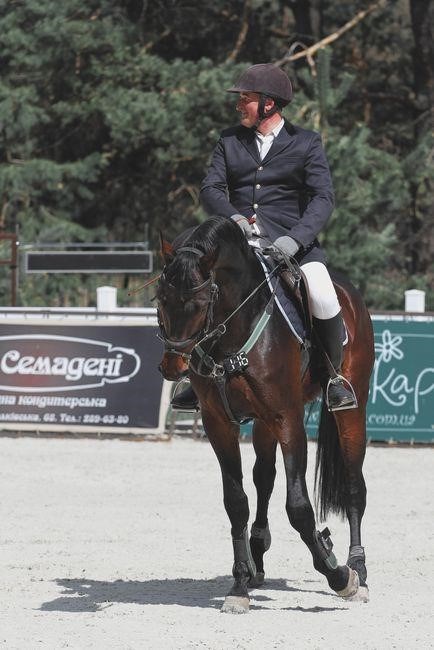
The official arena measures 20 m × 60 m. The average ride time is 5:35 minutes from entry at A to final halt, with a recommended minimum of 2 additional minutes for scheduling. These dimensions and timing guide judges and riders. Timing is fixed.
The official arena size for the test is 20 m × 60 m with an average ride time of 5:35 minutes from entry at A to final halt, and a recommended minimum of 2 additional minutes for scheduling.
The Novice 27A test, as outlined in the official PDF released by Dressage Ireland, specifies a precise arena dimension of 20 m by 60 m. This size ensures sufficient space for the required circles, transitions, and halts while maintaining a environment for both horse and rider. The arena must be marked with clear A‑to‑A lines, with the A‑line positioned 20 m from the start of the 60 m length. Judges use the A‑line to determine the start of the ride and to confirm that the rider remains within the arena boundaries throughout the performance. The average ride time for this test is 5 minutes and 35 seconds, measured from the moment the rider enters the arena at point A until the final halt is completed. This timing is calculated based on the typical pace of a working trot, the required circles, and the transitions between movements. To accommodate unforeseen delays such as rider preparation, horse warm‑up, or equipment adjustments, the test guidelines recommend adding a minimum of 2 minutes to the scheduled time. This buffer allows judges to manage the event flow smoothly and ensures that each rider receives adequate time to perform the test without rushing. The combination of arena size, precise timing, and scheduling buffer is essential for maintaining fairness, consistency, and safety across all Novice 27A competitions. This framework aligns with Dressage Ireland’s commitment to standards in national testing and provides a measurable structure for competitors and officials and alike;
Test Directives and Maximum Scores
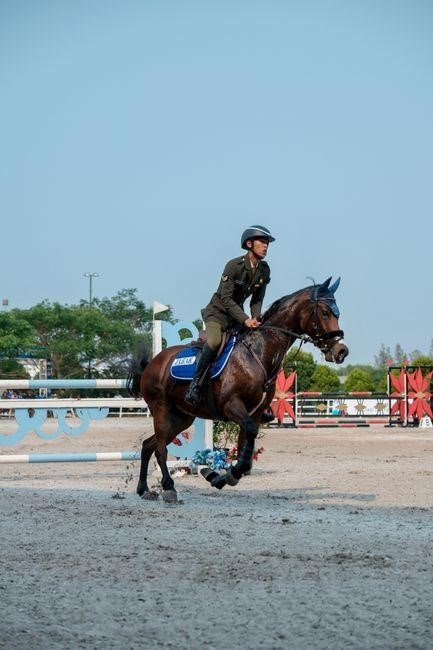
The Novice 27A test comprises 10 directed movements, each assigned a maximum score. The test includes trot, circles, halt, transitions, walk, and canter. Scores are allocated per movement, with a total maximum of 100 points, ensuring a balanced evaluation. Each movement’s max score is clearly listed
The test consists of 10 directed movements, each scored with a maximum point value, covering trot, circles, halt, transitions, walk, and canter.
Trot Work and Quality Criteria
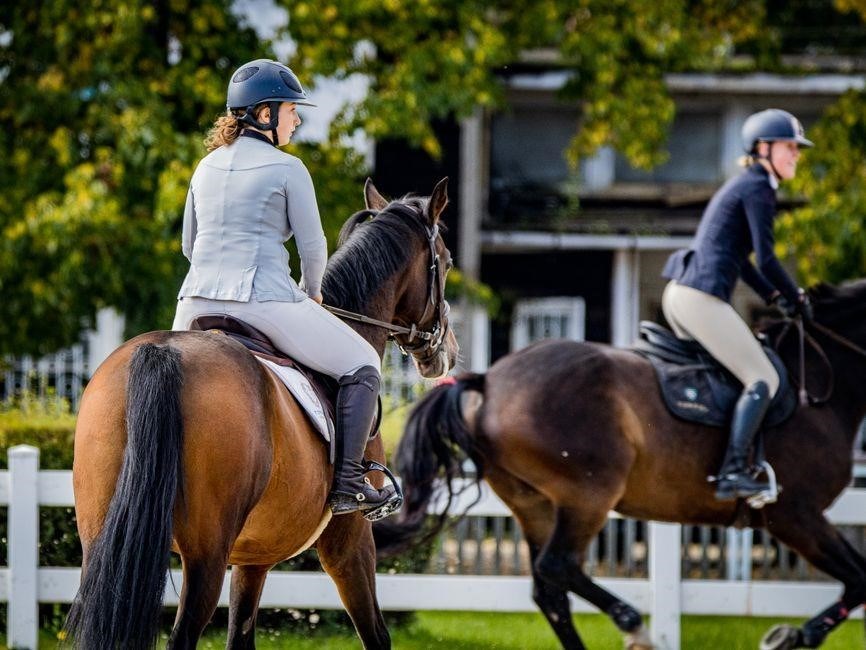
The Novice 27A test demands a working trot that is regular, of high quality, straight, and attentive. Riders must perform a 3‑second halt with immobility before resuming the trot, ensuring clear transitions and consistent frame throughout the movement. The trot should a balanced frame and cadence.!!
The test requires a working trot that must be regular, of high quality, straight, attentive, and include a 3‑second halt with immobility before returning to a working trot.
The Novice 27 A test places a premium on the rider’s ability to sustain a working trot that is both regular and of exceptional quality. The trot must travel in a straight line, with the horse’s head and neck maintained in a balanced, attentive position, and the rider’s aids applied with precision. A key element is the 3‑second halt, during which the horse must remain immobile, demonstrating full control and frame. The halt is followed by a prompt, smooth transition back into the working trot, ensuring continuity of rhythm and collection. Judges assess the trot’s regularity, the evenness of the stride, and the horse’s responsiveness to aids. The rider must exhibit clear, consistent aids that encourage the horse to maintain a balanced frame, with the shoulders and hips aligned, and the hindquarters engaged. Attention to the horse’s breathing and the rider’s posture is also critical, as these factors influence the overall quality of the trot. The test demands that the rider maintain a steady tempo, with a slight increase in stride length at the 3‑second halt, and then return to the original rhythm upon resuming the trot.
In addition, the 3‑second halt serves as a critical checkpoint for judging the horse’s frame and the rider’s ability to maintain a consistent rhythm. The horse must exhibit a balanced frame, with shoulders slightly bent, hindquarters firmly planted, and the neck relaxed yet attentive. The rider’s seat should remain, with the reins lightly held to allow the horse to breathe freely while remaining responsive. The transition back into the trot should be seamless, with the horse re‑collecting its frame and returning to the original tempo without hesitation. This demonstrates the rider’s skill in managing the horse’s energy and maintaining a cohesive performance throughout the test. The rider’s control is evident!
Circle Work – Left and Right Circles
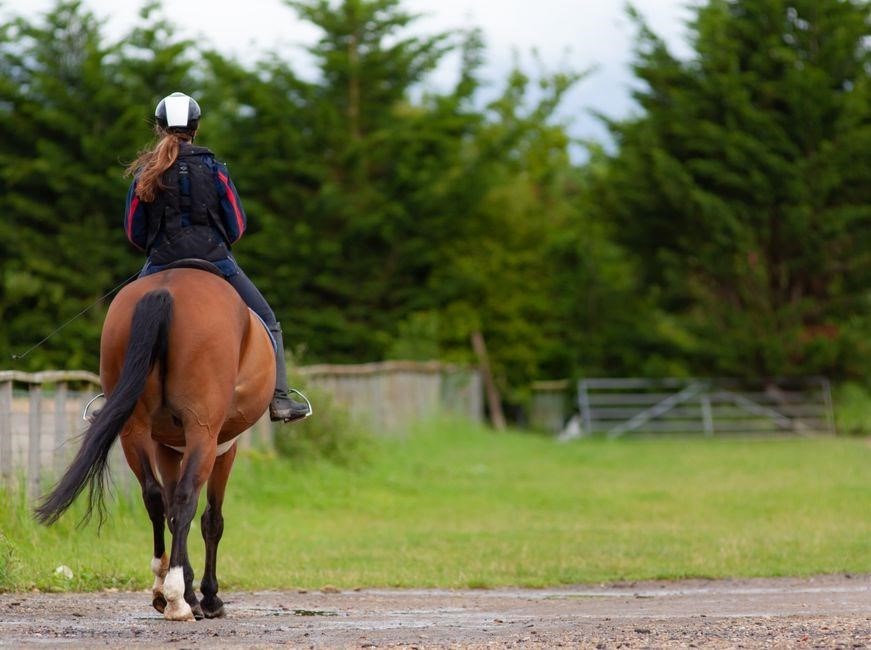
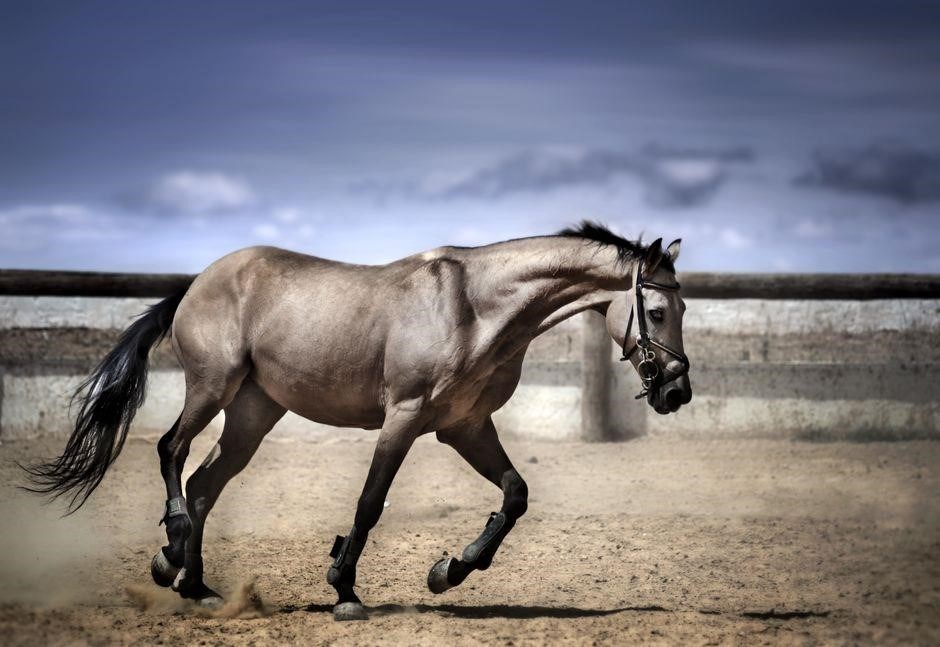
Two 15 m diameter circles, left and right, are required. Judges assess regularity, quality of trot, bend, balance, shape, size, and transitions into and out of each circle. The horse must maintain a consistent frame and clear rhythm throughout. The circle should be well-shaped, with balanced frame
Two 15 m diameter circles (left and right) are required, each judged on regularity, quality of trot, bend, balance, shape, size, and transitions into and out of the circle.
The Novice 27A test, as detailed in the official PDF from Dressage Ireland, requires the rider to perform two 15 m diameter circles, one left and one right. The circles are judged on several key criteria: regularity of the trot, quality of the trot, bend, balance, shape, size, and transitions into and out of the circle; The horse must maintain a consistent frame and rhythm, ensuring each circle is well‑shaped and the rider’s aids are clear and effective. The circle’s diameter should be maintained throughout, with the horse staying within the prescribed limits while exhibiting a smooth, even trot. Judges look for a balanced frame, with the horse’s shoulders and hindquarters aligned, and a steady, rhythmic trot that demonstrates the horse’s ability to maintain a consistent pace and stride length. Riders must use subtle yet effective aids, guiding the horse into a smooth bend without compromising balance or the circle’s shape. Transitions into and out of the circle should be clear and controlled, with the horse returning to a working trot promptly after the halt. The horse’s bend should be smooth, with shoulders and hips turning in harmony, and the rider should maintain a strong, consistent frame throughout the circle. The circle’s shape should be a true circle, with the horse staying within the 15 m diameter and maintaining the correct bend and balance. Riders must also demonstrate the ability to maintain the horse’s frame and rhythm while transitioning between circles, ensuring the horse remains balanced and the circle remains well‑shaped. The test’s emphasis on circle work highlights the importance of a well‑balanced horse, clear rider aids, and consistent rhythm, all of which are critical for a successful Novice 27A performance. The PDF specifies that the circles are a core component of the test, and judges will evaluate each circle on the criteria listed above, awarding points based on the horse’s performance and the rider’s execution of the required aids and transitions. Additionally, the rider must ensure the horse’s stride length remains consistent throughout the circle, avoiding any sudden changes that could disrupt the rhythm. The horse’s head position should remain level, with the neck drawn back slightly to encourage a balanced frame. The rider’s hands should be steady, maintaining a firm but gentle contact, and the rider should avoid any excessive lateral aids that could cause the horse to lose balance. Judges will also look for the horse’s ability to maintain the circle’s shape while executing the required bend, ensuring that the horse does not drift outside the circle or lose the correct direction. The rider’s posture should remain upright, with the rider’s weight balanced over the horse’s center of gravity, allowing for smooth transitions and a consistent rhythm throughout the entire circle work. The test’s scoring system rewards precise execution, encouraging riders to focus on subtle aids and consistent rhythm.
Halt, Transition and L‑Halt Elements
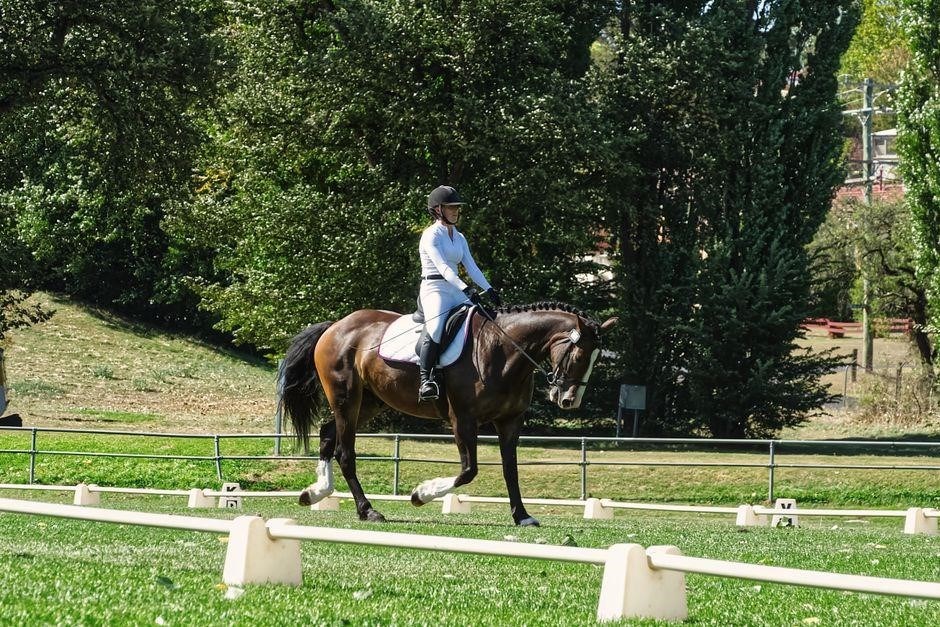
A 4‑second halt with clear, straight, attentive, immobility is required, followed by a transition to working trot. The L‑halt demands 4‑second immobility, balance, straightness, and clear transitions. A change‑rein follows, with moderate frame lengthening.
A 4‑second halt with clear transitions, straightness, attentiveness, and balance is required, followed by a working trot and a change of rein in the medium trot with moderate lengthening of frame.
The 4‑second halt is a critical component of the Novice 27 test, requiring the horse to remain still for exactly four seconds while the rider maintains a calm, straight posture. The horse’s shoulders should be level, the neck relaxed, and the hindquarters firmly planted, ensuring a balanced frame ready to resume motion. After the halt, the rider must transition smoothly into a working trot, keeping rhythm and tempo while maintaining the horse’s stride. This transition is judged on fluidity, the horse’s willingness to move, and the rider’s subtle guidance. Following the trot, the rider performs a change of rein in a medium trot, shifting the reins to alter the frame and encourage moderate stride lengthening. The change must be precise, keeping the horse balanced and responsive, while the rider demonstrates control over frame and direction. The medium trot should exhibit a steady rhythm, with the horse’s head and neck in a natural, relaxed position, and the rider’s hands maintaining gentle, consistent pressure; Overall, these elements are evaluated on balance, attentiveness, and the rider’s ability to keep a straight line while executing clear transitions and rein changes with smooth, controlled movements.
Judges also consider the horse’s posture during the halt, ensuring the neck remains forward and the hindquarters are set, while the rider’s hands should be touching the mouth!!
Walk Movements – Change Rein and Free Walk
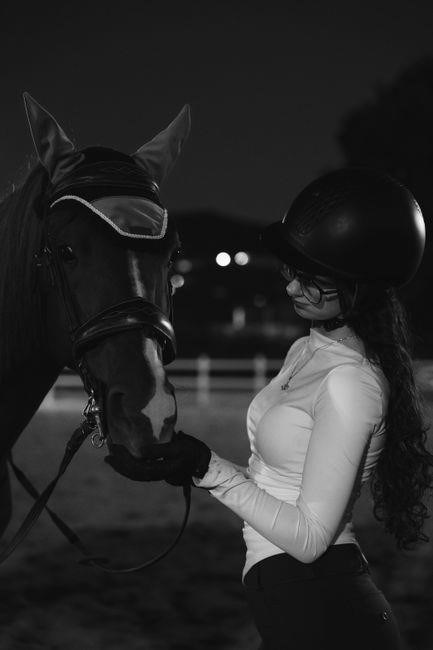
The Novice 27 test requires a medium walk with a rein change, demanding clear transitions, regularity, and balance. Following this, a free walk on a long rein emphasizes reach, ground cover, and freedom to stretch the neck forward and downward. The rider keeps frame ensuring and horse’s head a is lowered!
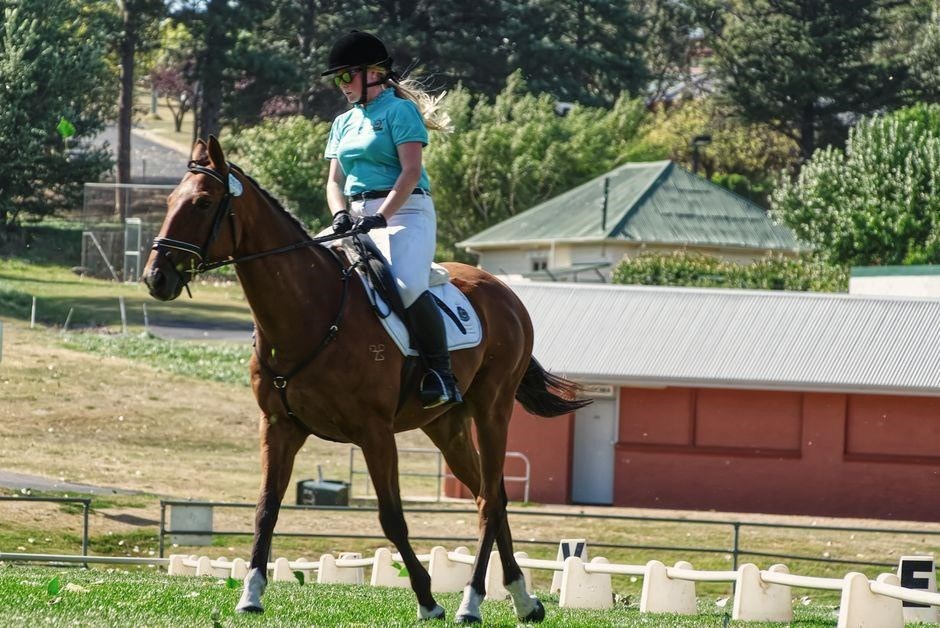
The test includes a medium walk with a rein change, requiring willingness, clear transitions, regularity, quality, purpose, and balance, and a free walk on a long rein focusing on reach and ground cover.
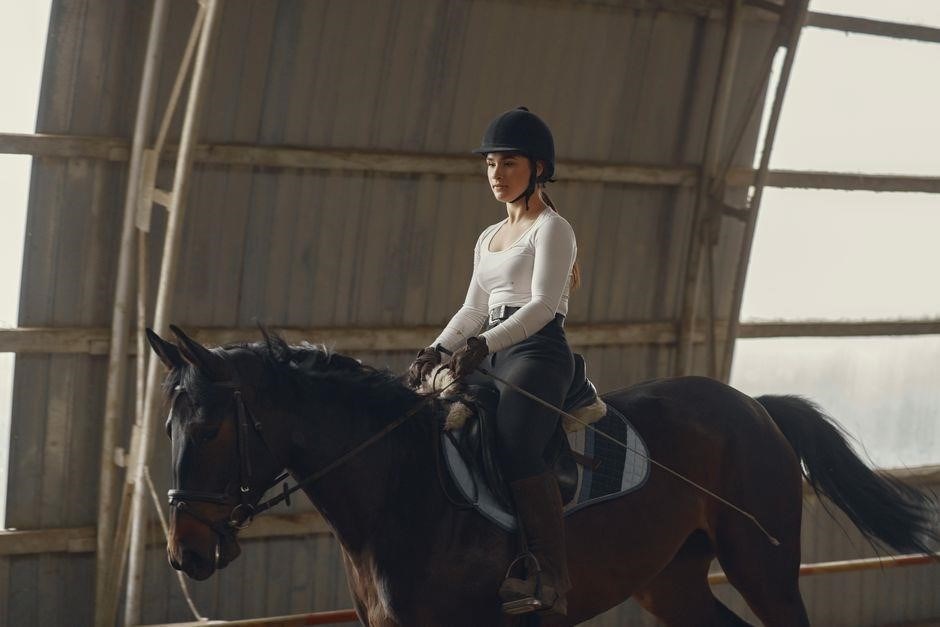
Canter and Final Transitions
The final element is a working canter to the right, evaluated on willingness, clear transitions, regularity and quality of paces, bend, and balance, concluding the test sequence. The rider should keep the horse’s shoulders relaxed, ensuring a flow gently softly!
In the Novice 27A test, the concluding movement is a working canter to the right, a pivotal moment that showcases the horse’s readiness and the rider’s mastery. The judge looks for a clear, rhythmic transition from the previous gait, with the horse maintaining a consistent frame and a balanced, relaxed posture. The canter must be evenly paced, with a steady cadence that demonstrates the horse’s willingness and confidence. The rider’s aids should be subtle yet decisive, ensuring the horse’s head remains level, the neck is engaged, and the shoulders are aligned with the body. A smooth, flowing motion is essential, and the horse should exhibit a slight, controlled bend around the arena’s right side, indicating correct steering and balance. The rider must keep the reins long enough to allow freedom of movement while maintaining control, ensuring the horse’s stride length is appropriate for the arena size. Judges assess the quality of the paces, looking for a strong, well‑timed canter that reflects the horse’s athleticism and the rider’s precision. The final halt after the canter should be immediate and controlled, with the horse returning to a working trot or a halt as required by the test, completing the sequence with a demonstration of composure and technical skill. During evaluation, each movement is scored on a scale from 0 to 10, with 10 representing perfect execution. Judges also consider the horse’s overall harmony, the rider’s posture, and the smoothness of transitions. A well‑executed final canter can significantly boost the overall score, compensating for minor errors earlier in the test. Riders are encouraged to practice the canter in various contexts, such as on a straight line and within circles, to develop the necessary balance and responsiveness. Moreover, the final canter should demonstrate the horse’s ability to maintain a consistent frame while executing a slight bend, ensuring that the horse’s hindquarters remain engaged and the front legs are properly positioned. The rider’s use of the seat and leg aids must be balanced, avoiding over‑reliance on any single aid. The final halt should be immediate, with the horse’s hind legs firmly planted, and the rider’s body positioned to facilitate a smooth return to the next movement. A flawless finish is key for success.