Adinkra symbols, originating from Ghana and Côte d’Ivoire, are visually striking representations of concepts, proverbs, and historical events.
These potent symbols, deeply rooted in Akan culture, offer a fascinating glimpse into a rich intellectual tradition and philosophical worldview.

Historical Origins and Cultural Significance
Adinkra’s origins trace back to the Akan people, specifically within the Asante kingdom, evolving over centuries as a sophisticated form of visual communication. Initially employed on royal regalia and pottery, these symbols weren’t merely decorative; they conveyed complex ideas about cosmology, societal values, and historical narratives.
The practice expanded beyond the royal court, becoming integral to funerals and other significant ceremonies. Cloths adorned with Adinkra stamps, created using carved gourds and natural dyes, served as visual testaments to the deceased’s character and wisdom.
For the Asantehene, Adinkra embodies the very essence of Asanteman, symbolizing a profound connection to heritage and intellectual strength. The symbols’ enduring presence reflects their deep cultural significance, continuing to inspire and educate generations about Akan philosophy and history. Their meanings, preserved through oral tradition and now increasingly documented, offer invaluable insights into a vibrant cultural legacy.
The Akan People of Ghana and Côte d’Ivoire
The Akan, a dominant ethnic group in both Ghana and Côte d’Ivoire, are the cultural heartland of Adinkra symbolism. Their societal structure, historically organized around powerful kingdoms like Asante, fostered an environment where visual communication and philosophical expression flourished.
Within Akan cosmology, proverbs and wisdom are highly valued, and Adinkra symbols serve as a tangible embodiment of these principles. Each symbol encapsulates a specific concept or maxim, acting as a visual shorthand for complex ideas. This tradition reflects a deep respect for ancestors and a commitment to preserving cultural knowledge.
The geographical overlap between Ghana and Côte d’Ivoire has facilitated the widespread adoption and evolution of Adinkra, though regional variations in interpretation and usage exist. Today, the Akan continue to practice and promote Adinkra, ensuring its survival as a vital part of their cultural identity and a source of pride.
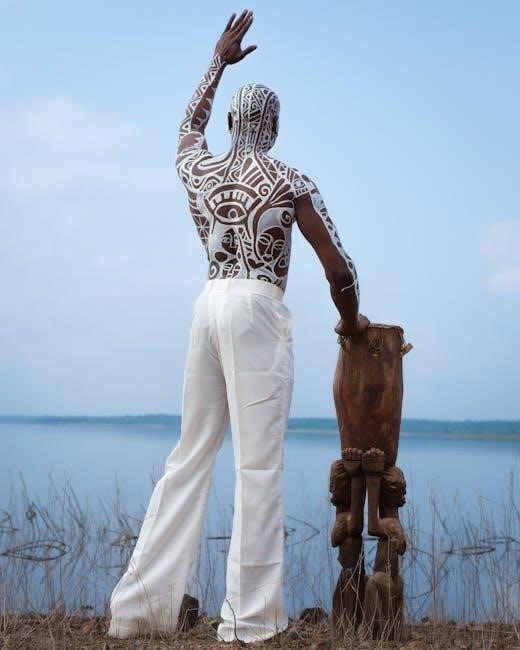
Understanding Adinkra Symbolism
Adinkra symbolism is a visual language, expressing profound concepts and proverbs through distinct motifs, reflecting the Akan people’s intellectual prowess and worldview.
Core Principles of Adinkra Philosophy
Adinkra philosophy centers on encapsulating complex ideas into visually accessible forms, serving as a powerful means of communication and cultural preservation within Akan society.
These symbols aren’t merely decorative; they embody ethical guidelines, historical narratives, and profound understandings of the universe. A core tenet is the belief in wisdom, creativity, and the importance of proverbs as vessels of knowledge.
The symbols often reflect a holistic worldview, emphasizing balance, harmony, and the interconnectedness of all things. Concepts like humility, strength, and the cyclical nature of life are frequently represented.
Furthermore, Adinkra philosophy promotes critical thinking and encourages individuals to contemplate deeper meanings beyond surface appearances. The symbols act as mnemonic devices, aiding in the transmission of cultural values across generations, ensuring the continuity of Akan traditions and beliefs.
Visual Representation of Concepts and Proverbs
Adinkra symbols function as a visual language, translating abstract concepts and time-honored proverbs into recognizable graphic forms. Each symbol carries a specific meaning, often multi-layered, inviting interpretation and contemplation.
This visual encoding allows for the dissemination of wisdom and cultural values beyond literacy, making knowledge accessible to all members of society. The symbols aren’t literal depictions but rather evocative representations that stimulate thought and understanding.
For instance, a symbol might visually embody the idea of patience, resilience, or the importance of learning from the past. They are frequently used in textiles, pottery, and architecture, embedding philosophical principles into everyday life.
The power lies in their ability to condense complex ideas into a single, memorable image, fostering a shared cultural understanding and reinforcing Akan ethical and moral codes. They are a testament to the intellectual prowess of the Akan people.
Common Adinkra Symbols and Their Meanings
Adinkra symbols, like Gye Nyame and Sankofa, each possess unique meanings reflecting Akan philosophy, leadership, humility, and the value of learning.
Gye Nyame: Supremacy of God
Gye Nyame, arguably the most recognizable Adinkra symbol, translates to “Except for God.” This powerful symbol visually asserts the supreme authority and omnipresence of the Creator in Akan cosmology.
Represented by a stylized spiderweb, Gye Nyame signifies that God encompasses all things and that nothing exists outside of divine control. The intricate web illustrates the complexity and interconnectedness of existence, all stemming from a single, divine source.
It’s a reminder of faith, reverence, and the acknowledgement of a higher power guiding all aspects of life. The symbol isn’t merely a religious icon; it embodies a philosophical understanding of the universe and humanity’s place within it.
Often used in textiles, wood carvings, and contemporary designs, Gye Nyame serves as a constant declaration of spiritual belief and a call to humility before the divine. It’s a potent emblem of faith and a cornerstone of Akan spiritual expression.
Adinkrahene: Kingship and Leadership
Adinkrahene, meaning “chief of the Adinkra symbols,” embodies the power, authority, and responsibility associated with leadership within Akan society. Visually, it resembles a fern leaf with a crown-like structure at its base, directly referencing royalty and dignified status.
This symbol isn’t simply about hierarchical power; it signifies exemplary leadership characterized by wisdom, fairness, and a dedication to the well-being of the community. A true leader, according to Adinkrahene, must possess both strength and compassion, guiding their people with integrity.
For Bantamahene, Baffuor Owusu Amankwatia VI, Adinkra represents a lot to Asanteman, and Adinkrahene specifically embodies the essence of Asanteman’s regal heritage.
Its presence in art and design serves as a reminder of the qualities expected of those in positions of authority, promoting responsible governance and inspiring respect for legitimate leadership. It’s a symbol of both tradition and aspiration.
Dwennimmen: Humility and Strength

Dwennimmen, often depicted as a pair of intertwined ram’s horns, powerfully illustrates the crucial balance between humility and strength. This Adinkra symbol doesn’t advocate for weakness, but rather for the understanding that true strength isn’t boastful or arrogant; it’s tempered by modesty and self-awareness.
The interlocking horns represent the idea that these two qualities are inseparable and mutually reinforcing. One cannot truly possess strength without humility, and humility gains its power from an underlying foundation of inner fortitude. It’s a reminder to approach life’s challenges with both confidence and grace.

Dwennimmen encourages individuals to be assertive when necessary, but always with respect for others and a recognition of their own limitations. It’s a symbol of maturity and emotional intelligence.
This symbol serves as a constant reminder to avoid pride and to always remain grounded, even in moments of success.
Sankofa: Learning from the Past
Sankofa, visually represented by a mythical bird with its feet firmly planted forward while its head looks backward, embodies the powerful concept of learning from the past to build a better future. The name itself translates from the Akan language as “Go back and get it.” It’s a potent symbol urging individuals and communities not to forget their history.
This isn’t simply about dwelling on past mistakes, but rather about actively seeking wisdom and knowledge from ancestors and previous generations. It acknowledges that the past holds valuable lessons that can inform present actions and shape future outcomes.
Sankofa encourages a deep respect for cultural heritage and traditions, recognizing that these are essential components of identity and progress. It’s a call to remember where you came from to understand where you are going.
The symbol serves as a reminder that progress isn’t linear, and that revisiting the past can provide crucial insights.
Mpatapo: Knot of Peace
Mpatapo, depicted as a knot, symbolizes peace, reconciliation, and unity. The intricate knot represents the complexities of relationships and the importance of resolving conflicts through understanding and compromise. It visually conveys the idea that even tangled situations can be untied with patience and thoughtful negotiation.
This Adinkra symbol emphasizes the value of harmonious coexistence and the strength found in collective agreement. It’s a reminder that true peace isn’t merely the absence of conflict, but the presence of justice and mutual respect.
Mpatapo encourages individuals to approach disagreements with a spirit of collaboration, seeking solutions that benefit all parties involved. It highlights the power of diplomacy and the importance of maintaining strong bonds within communities.
The symbol serves as a potent emblem of forgiveness and the restoration of broken relationships.

Adinkra Symbols in Modern Usage
Adinkra symbols have transcended their traditional roots, appearing in contemporary fashion, design, and even as a basis for a unique alphabet system.
Adinkra in Fashion and Design
Adinkra symbols are increasingly prevalent in the global fashion landscape, demonstrating a beautiful fusion of traditional artistry and contemporary style. Originating from the Akan people of Ghana and Côte d’Ivoire, these symbols, each carrying profound meaning, are now adorning clothing, jewelry, and accessories worldwide.
Designers are drawn to the visual appeal and symbolic depth of Adinkra, incorporating them into diverse collections. From subtle embroidered details to bold, graphic prints, the symbols add a layer of cultural richness and storytelling to garments. This trend reflects a growing appreciation for diverse cultural aesthetics and a desire for meaningful design.
Beyond apparel, Adinkra motifs are found in interior design, textiles, and even branding, showcasing their versatility and enduring appeal. The symbols serve not merely as decoration, but as visual statements communicating values like peace, humility, and wisdom, resonating with a broad audience seeking authenticity and cultural connection.
Adinkra as Alphabets ⸺ Recent Developments
A fascinating recent development involves exploring Adinkra symbols as a potential writing system – an “Adinkra Alphabet.” This innovative concept, detailed in forthcoming publications like the fourth edition of the “Adinkra Alphabet” book, seeks to assign phonetic values to the symbols, effectively transforming them into a functional alphabet.
This isn’t simply about aesthetic representation; it’s a deliberate attempt to unlock the full communicative potential inherent within these ancient visual forms. Proponents believe this approach can revitalize interest in Akan culture and provide a unique medium for artistic expression and linguistic exploration.
The project involves meticulous mapping of symbols to sounds, considering their existing meanings and visual characteristics. While still in its early stages, the “Adinkra Alphabet” initiative represents a bold step towards reimagining these symbols beyond their traditional roles, potentially offering a new avenue for literacy and cultural preservation.
The Fourth Edition of “Adinkra Alphabet” Book
The upcoming fourth edition of “Adinkra Alphabet” represents a significant expansion of previous work, delving deeper into the potential of utilizing Adinkra symbols as a complete writing system. This edition doesn’t merely present the symbols; it meticulously demonstrates their application as alphabetic characters, offering a practical guide for encoding and decoding messages.
Beyond the alphabetic framework, the book extensively explores the profound, often hidden, meanings embedded within each symbol. It aims to provide readers with a comprehensive understanding of the cultural context and philosophical underpinnings that give these symbols their power.
This edition builds upon years of research and refinement, offering a more nuanced and accessible approach to understanding and utilizing Adinkra. It’s intended for scholars, artists, educators, and anyone interested in exploring the rich heritage of Akan culture and the innovative possibilities of visual communication.
Resources for Further Exploration
Numerous online databases and readily available PDFs offer detailed explorations of Adinkra symbols and their meanings, aiding deeper understanding and research.
Availability of Adinkra Symbols PDFs
A wealth of resources detailing Adinkra symbols are available in PDF format, catering to diverse learning preferences and research needs. Many websites dedicated to African culture and symbolism offer downloadable guides, often including comprehensive lists of symbols alongside their associated meanings and historical context.
These PDFs frequently present symbols with detailed explanations of their Akan origins, philosophical underpinnings, and practical applications in traditional settings. Some resources focus specifically on the proverbs embodied by each symbol, providing a deeper understanding of the cultural wisdom they convey.

Furthermore, the upcoming fourth edition of the “Adinkra Alphabet” book will likely expand upon these readily available resources, potentially offering a new PDF companion or supplementary materials. Searching online using keywords like “Adinkra symbols meanings PDF” yields numerous results, ranging from academic papers to educational handouts, ensuring accessibility for anyone interested in learning more about these fascinating visual representations.
Online Databases and Compiliums
Several online platforms serve as valuable databases and compiliums for exploring Adinkra symbols and their meanings. These digital resources often go beyond simple PDF downloads, offering interactive features and more extensive collections. Websites dedicated to Akan culture frequently host searchable databases, allowing users to browse symbols alphabetically or by thematic category.
These compiliums often include high-resolution images of the symbols, alongside detailed descriptions of their origins, interpretations, and cultural significance. Some platforms even incorporate user-submitted content, fostering a collaborative learning environment. The increasing interest in Adinkra symbols, particularly their application in modern design and fashion, has fueled the growth of these online resources.
Researchers and enthusiasts can also find valuable information through academic databases and digital libraries, accessing scholarly articles and research papers related to Adinkra symbolism. The anticipated release of the fourth edition of the “Adinkra Alphabet” may also inspire new online initiatives to catalog and share these powerful visual expressions.